Managing Overwhelm as a Small Business Owner

Quick answer: Manage small-business overwhelm by narrowing priorities, using simple systems, setting boundaries, and planning realistic work.
Small-business overwhelm doesn't always mean you're doing something wrong. It usually means one person is carrying product creation, customer service, marketing, bookkeeping, and every decision in between, alone.
I do not believe the answer is pretending we can perfectly balance everything. The goal is to notice what is creating pressure and make the next step smaller and clearer.
Get every task out of your head
Use one trusted list for active tasks, deadlines, waiting items, and ideas. Your brain should not have to keep repeating reminders all day.
Choose the real priority
Ask what must happen today, what meaningfully moves the business forward, and what can wait. A long list is not a plan until it has an order.
Work in smaller batches
Group similar work such as product photos, listings, emails, Pins, packing, or bookkeeping. Switching less often can reduce the mental weight of starting over.
Define a good-enough version
Not every graphic, email, or page needs to become the final masterpiece. Decide what accurate, useful, and on-brand looks like, then finish that version.
Create simple repeatable systems
Templates, checklists, saved replies, naming rules, and weekly routines reduce the number of decisions required for work you do repeatedly.
Set customer boundaries clearly
Publish turnaround times, business hours, revision limits, and communication expectations. Boundaries protect both the owner and the customer from confusion.
Plan around real life
Build schedules around the responsibilities and energy you actually have. A realistic plan that gets completed is better than an ideal plan that creates guilt.
Recognize when rest is the next task
Rest can prevent rushed errors, resentment, and burnout. If everything feels urgent and nothing is getting clearer, stepping away may be the most productive choice.
Frequently asked questions
Why do small-business owners feel overwhelmed?
Owners often handle many roles with limited time, money, and support. Constant decisions, unclear priorities, and pressure to be visible everywhere add to the load.
How can I reduce business overwhelm today?
Write every task down, choose one essential outcome, break it into the smallest next action, and move nonessential work to a later list.
Is it okay to pause marketing?
A short planned pause may be healthier than continuing at an unsustainable pace. Keep essential customer communication active and return with a simpler schedule.
When is overwhelm becoming burnout?
Ongoing exhaustion, detachment, irritability, loss of motivation, and difficulty recovering may signal burnout. Consider reducing demands and seeking appropriate professional support.
Keep reading
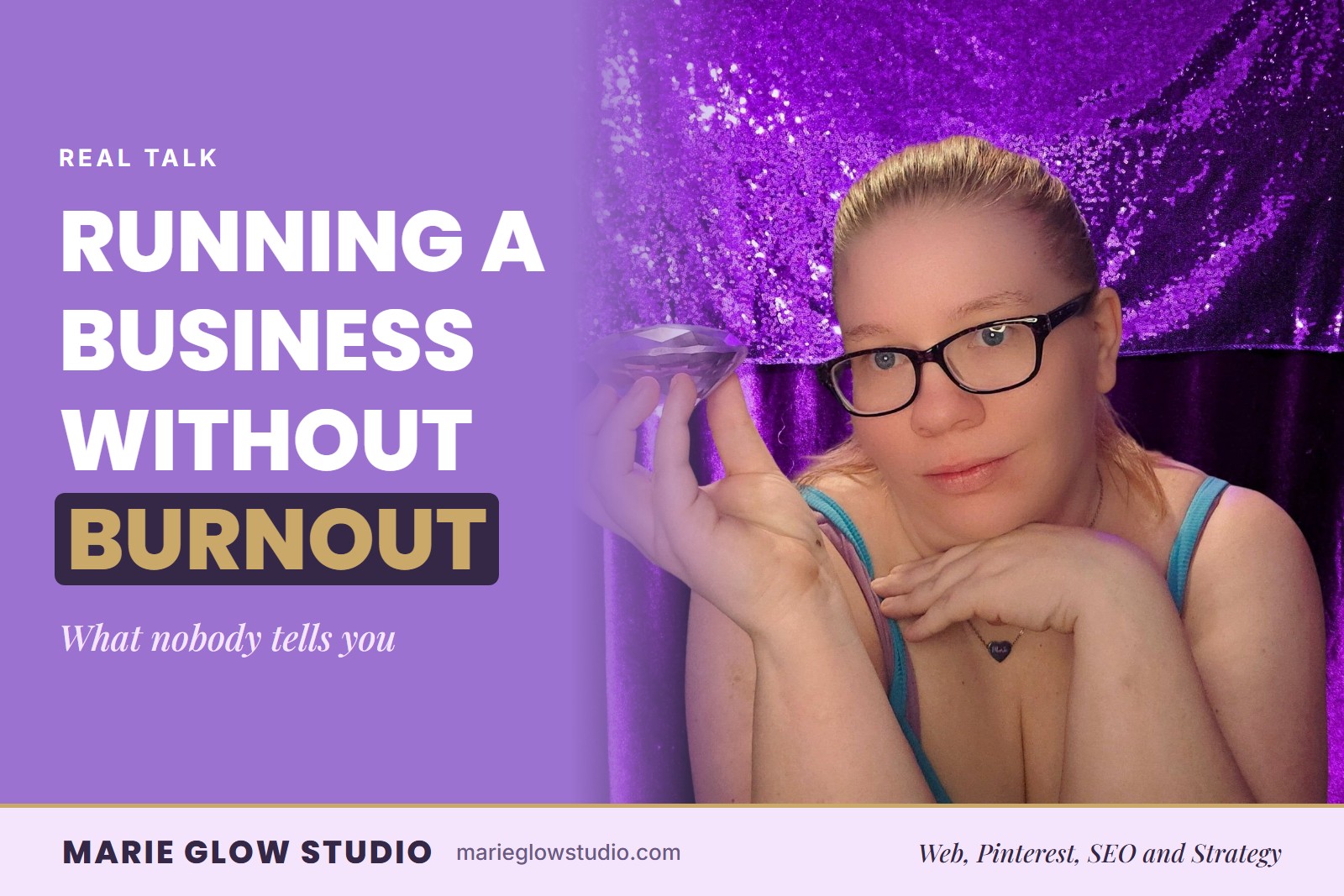
What No One Tells You About Running a Small Business Without Burnout
An honest look at entrepreneur burnout from a mom of 7: what builds it, why growth looks slower than social media suggests, and what helped.

Why Progress Matters More Than Perfection
Perfection can keep good work hidden. Why finished work creates the feedback a small business needs, and how to decide what ready really means.

Small Wins That Help Grow a Business
Real business growth often looks like a fixed link, a saved template or a clear customer reply. Eight small wins worth noticing and tracking.