How to Build Brand Trust Online
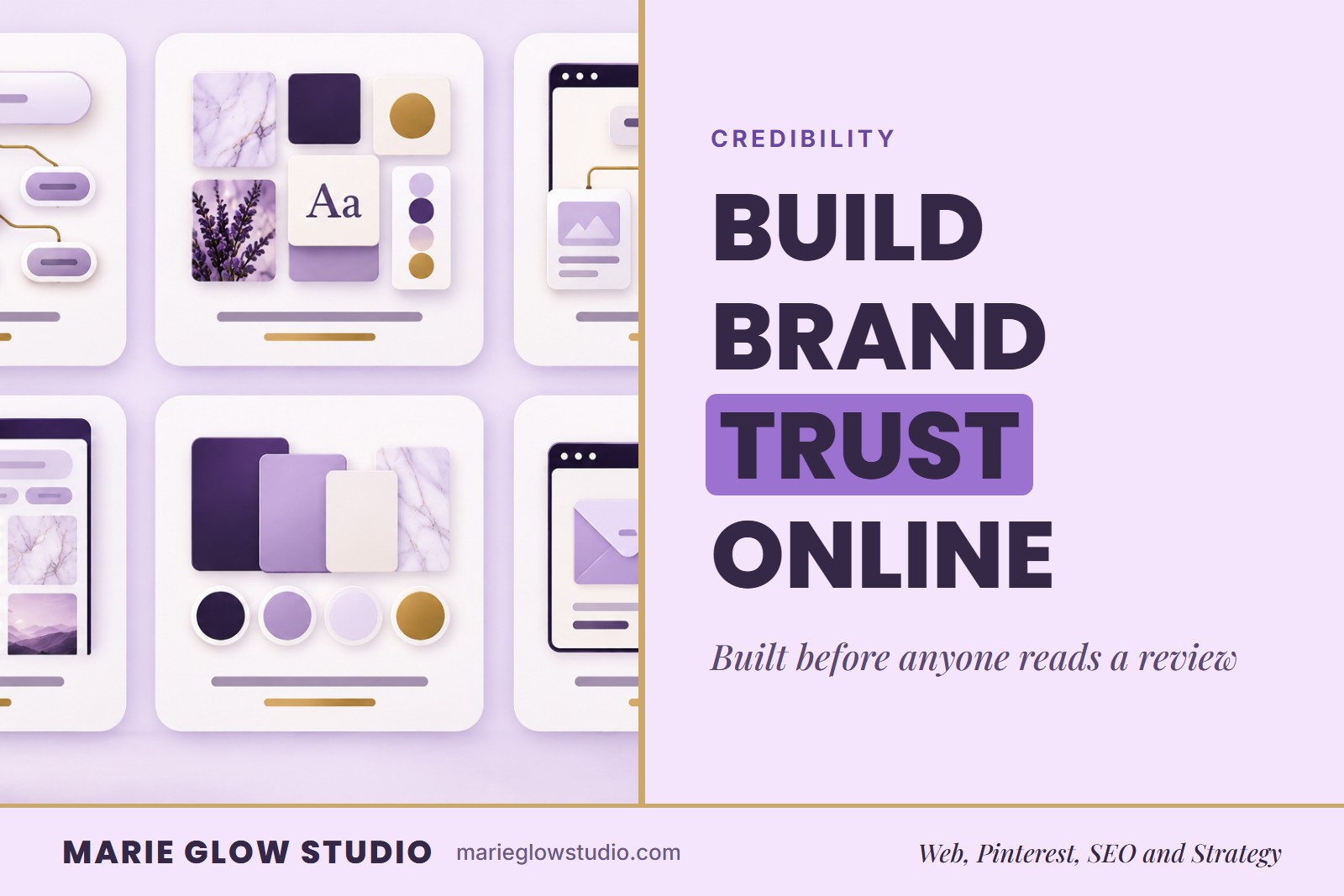
Trust isn't a testimonials section you bolt onto an existing site. It's built or lost in a dozen small moments before a visitor ever sees a review. You build brand trust online by saying clearly what you do, keeping your visuals consistent, showing real proof, and making basic information easy to find.
Why is trust harder to earn online?
Customers are asked to trust a business they may never meet or visit. All they have is your website, photos, reviews, policies, content and messages, and they read each of those for signs that you are real and dependable.
That is why no single perfect logo or viral post creates trust. It grows when the experience stays clear and consistent from someone's first search to your final follow-up, and the steps below follow that path.
How do you say clearly what you do?
State what you sell, who you help and what makes the offer useful, and put it where visitors land first. Plain language feels more trustworthy than vague promises or industry terms your customers do not use. A quick test: could a first-time visitor repeat, in one sentence, what you sell and who it is for?
Why does consistent branding build trust?
A recognizable color palette, typography, logo and photography style across your website and marketing reassures people that they are in the right place, and it signals that someone cares about the details. Visuals only earn trust when the experience behind them is reliable, though. For a fuller look at how the pieces fit together, see why cohesive branding matters for small businesses.
What counts as real proof?
Real proof is anything a customer can see or verify: customer reviews, finished products, portfolio work, case studies, process photos and specific examples. Never invent testimonials or make claims you cannot support.
A new business can build proof without a pile of reviews. Detailed product information, real photos, transparent policies, an explanation of your process, an about page and quick, helpful replies all show that a real person stands behind the shop while genuine reviews grow.
What information should be easy to find?
Customers should not have to message you for basic details. Make these easy to find: pricing or starting prices when appropriate, product specifications, turnaround time, shipping, returns, contact information and answers to common questions.
These are also the pages a store needs before it opens. The Complete Website and Brand Identity builds a contact form, footer and policy pages into the store setup, and finishes with a full review, testing and training so you are comfortable running the store yourself.
How do you protect the buying experience?
Use secure checkout, professional payment tools, visible policies and accurate product information, and check your links and forms regularly so the website feels maintained. A broken link or an outdated policy is small, but it is exactly the kind of small moment that makes a visitor hesitate.
How should you communicate like a real person?
Use a consistent sender name, answer questions clearly, send order updates and acknowledge problems honestly. Warmth matters, but reliability is what turns a friendly message into trust.
Can useful content and follow-through build trust too?
Yes. Answer the questions customers ask before buying with helpful blog posts, emails, product guides and comparison content, which show expertise without exaggerated claims.
After the sale, deliver what you promised, package carefully, communicate delays and make support easy to reach. Trust continues after checkout and shapes reviews, referrals and repeat purchases.
What should you fix first?
If your time is limited, work in this order:
- Say plainly what you sell and who it is for.
- Put shipping, returns, turnaround and contact details where customers can find them.
- Show real work: photos, finished products, your process and any genuine reviews.
- Bring your colors, fonts and photos into one consistent look.
- Keep answering questions and following through after every sale.
There is no instant shortcut. Trust strengthens through repeated positive experiences, so steady consistency matters more than any single fix. It also works alongside the identity you present, so see how branding and marketing differ and the branding mistakes that weaken a brand.
Frequently asked questions
What makes customers trust an online business?
Clear information, real proof, consistent branding, secure checkout, honest policies, reliable communication, and accurate products or services all build trust.
Can a new business build trust without many reviews?
Yes. Use detailed product information, real photos, transparent policies, process explanations, an about page, and responsive communication while genuine reviews grow.
Does branding affect customer trust?
Yes. Consistent branding makes a business easier to recognize and can signal care and professionalism, but it must be supported by a reliable customer experience.
How long does brand trust take to build?
Trust starts with the first interaction and strengthens through repeated positive experiences. There is no instant shortcut, so consistency matters.
Keep reading

Why Cohesive Branding Matters for Small Businesses
Two shops can sell the same product and feel completely different. Here is why cohesive branding matters and a simple way to check yours.

Branding Mistakes Small Businesses Should Avoid for Growth
Two web design degrees did not teach me branding. Here are the branding mistakes I made, how to spot them in your own business, and what fixes them.

Product Photography Mistakes That Cost Sales
Dark light, one angle, unclear scale and heavy filters leave shoppers unsure what they are buying. Eight photo mistakes and the order to fix them in.