The Basics of Product Branding
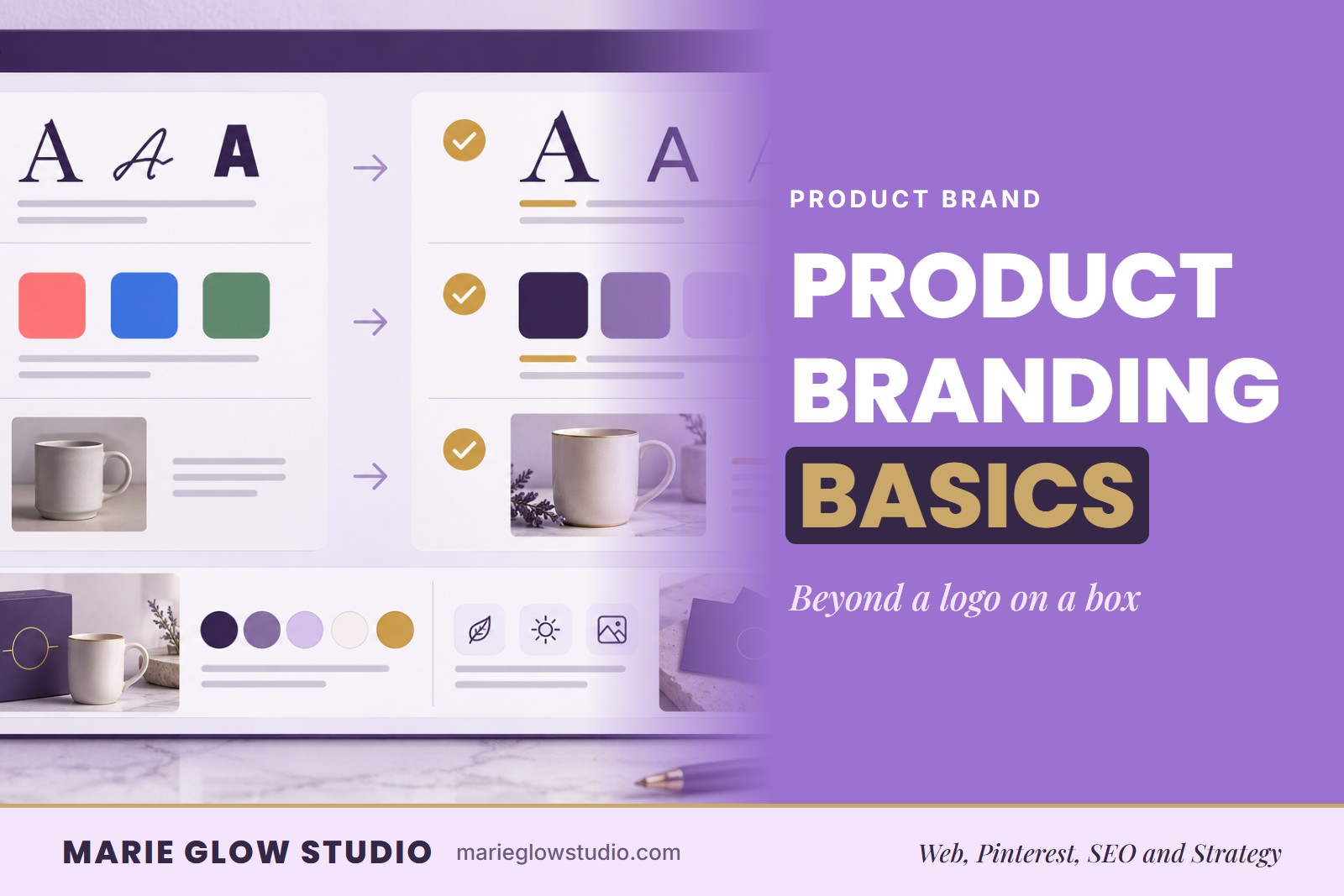
Product branding isn't putting a logo on a box. It's making sure the item, the packaging, the photos, and the unboxing all feel like the same business. In practice, it is the set of choices that helps customers recognize, understand and remember what you sell.
What is product branding?
Product branding is the identity and experience built around what you sell. A strong one connects the item itself, your message, visuals, packaging, photos, product listing and customer experience, so they read as parts of one business rather than unrelated pieces. This guide takes those parts in the order most small shops meet them.
Who is the product for, and why would they choose it?
Start by defining who the product serves, what need or desire it supports, when it is used and why someone may choose it over another option. Then choose clear positioning: decide whether the product is known for personalization, affordability, premium materials, humor, convenience, handmade care, fast turnaround or another specific benefit. Pick one you can genuinely support, because every other choice, from packaging to photos, should back it up.
What does a usable visual system look like?
A usable visual system is a set of logo versions, colors, fonts, patterns and image styles that work on small labels, packaging, website pages, social graphics and product inserts alike. Test it at the smallest size you will use it. A logo that only works in a website header will struggle on a small label.
How should you name your products?
Product names can show personality, but customers still need to understand what the item is. Pair a creative collection name with a searchable descriptive title, so the name carries your brand and the title tells shoppers what they are looking at. The guide to product listings that convert shows how the listing page does the rest.
How does packaging become part of the brand?
Protect the product first, then add recognizable details such as colors, stickers, tissue, cards, care instructions or a QR code. Each detail should earn its place, so you avoid unnecessary cost or waste. Packaging is a physical brand touchpoint, and consistent, useful packaging can improve recognition and the unboxing experience.
How do photos and writing keep a product brand consistent?
Use accurate lighting, scale, angles, backgrounds and editing, so customers recognize your visual style and can still see each product clearly. Then write product descriptions, emails, inserts and support messages in one brand voice. The tone can be playful or professional as long as it stays clear and helpful.
What happens to the brand after checkout?
Order updates, turnaround time, packaging quality, support and how you resolve problems are all part of product branding too. A customer forms an impression of your brand from the whole experience, not only from the product page.
Where should you start?
If you are building this from scratch, work in this order:
- Define the customer and the one benefit you can support.
- Choose a small visual system: logo, colors, fonts and an image style.
- Name your products clearly and write about them in one voice.
- Decide on a photo style and the packaging details.
- Plan the experience after the order is placed.
You do not need to finish all of it before you sell. Improve the system as your audience and offers become clearer, and keep enough consistency that customers still recognize you. For the bigger picture, read why cohesive branding matters for small businesses, and when you are planning a debut, use these product launch tips.
If you would like the logo, colors, fonts and store designed to match from the start, the Complete Website and Brand Identity includes a style guide and social media graphics alongside a full Shopify store.
Frequently asked questions
Does every product need its own logo?
No. Most products can use the main brand identity plus clear collection or product naming. Extra logos should have a practical purpose.
How does packaging affect a brand?
Packaging protects the order and creates a physical brand touchpoint. Consistent, useful packaging can improve recognition and the unboxing experience.
Can a small product brand change over time?
Yes. Improve the system as the audience and offers become clearer while keeping enough consistency for customers to recognize the business.
Keep reading
Why Cohesive Branding Matters for Small Businesses
Two shops can sell the same product and feel completely different. Here is why cohesive branding matters and a simple way to check yours.
Product Launch Tips for Small Businesses
A launch needs a ready product, accurate information and a reason people should care. Here is a step by step plan that works without a big audience.
Physical Products vs Digital Products
Neither product type is automatically easier or more profitable. See how they compare and which questions help you choose the daily work you want.