Physical Products vs Digital Products
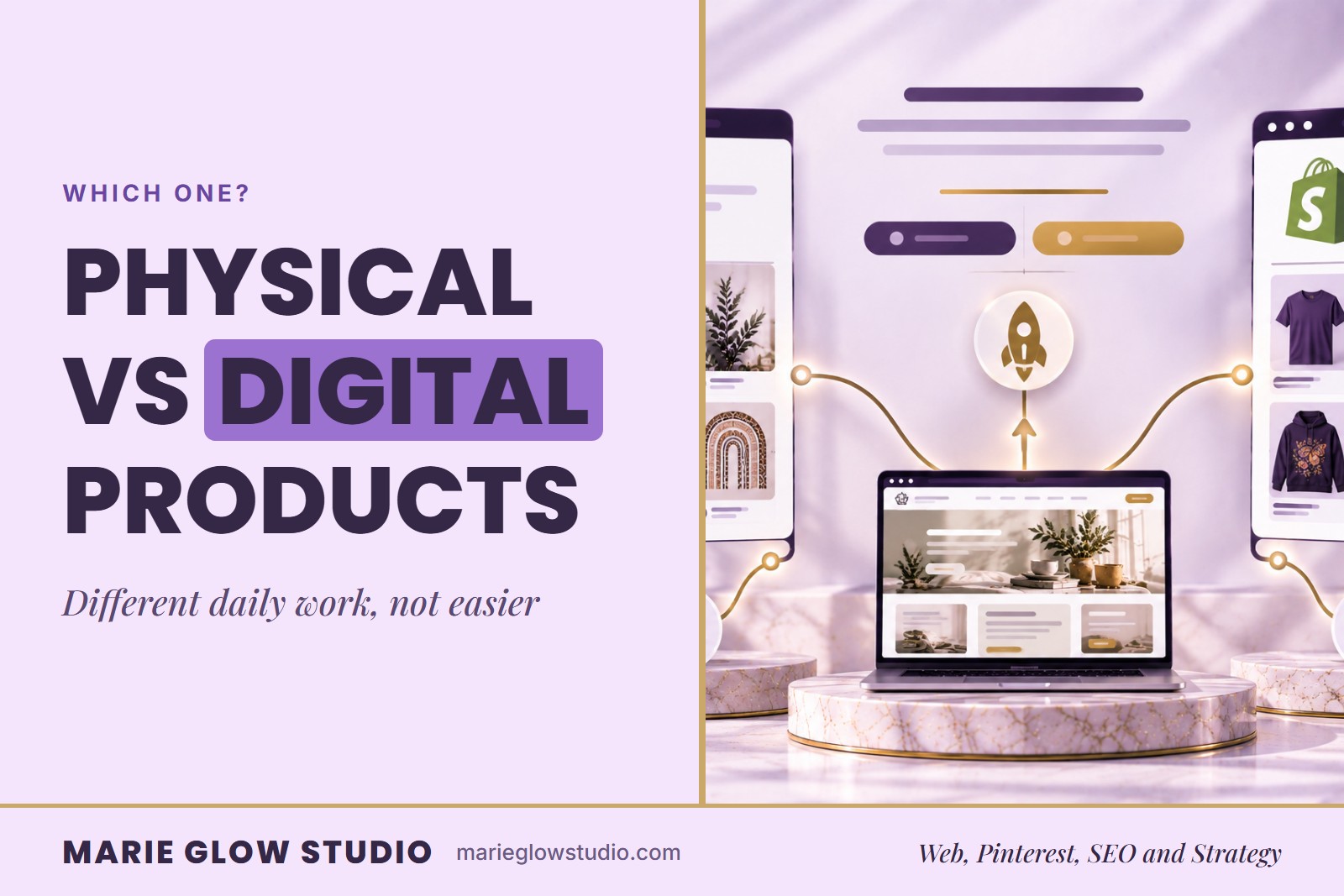
Neither one is automatically easier or more profitable. They just create very different daily work. Physical products mean inventory, packaging and shipping, while digital products mean creation, delivery technology and support, so the better choice is the one whose daily work fits how you want to run your business.
How do physical and digital products compare?
| Topic | Physical products | Digital products |
|---|---|---|
| Startup costs | Equipment, blanks, packaging and shipping supplies | Software, fonts, mockups, platforms, education and a lot of creation time |
| Daily work | Materials or inventory, production or sourcing, storage, packaging, shipping and quality control | Creation, testing, delivery technology, instructions, updates, licensing and customer support |
| Fulfillment | Hands-on work and logistics | Can be automated, but file access, compatibility, download problems and misuse still need support |
| Pricing and margins | Price must cover materials, labor, overhead, packaging and shipping | May cost less to produce per unit, but value, competition, fees, advertising, refunds and creation time still matter |
| Customer experience | Tactile gifting and unboxing moments | Immediate access and practical tools |
| Scaling | Batching, equipment, staff, suppliers or production partners | Can sell repeatedly, but still needs traffic, updates and support |
What does selling physical products involve?
Physical products require materials or inventory, production or sourcing, storage, packaging, shipping and quality control. Customers also arrive with expectations about delivery, so the work does not end when the item is made. If you like making things by hand and can spare the space, that daily rhythm can be a good fit.
What does selling digital products involve?
Digital products, such as templates, guides, printables, files and courses, require creation, testing, delivery technology, instructions, updates, licensing and customer support. There is no shipping, but there is still service work, and your time to create the product is a real cost.
How do costs, fulfillment and margins really differ?
Physical products may need equipment, blanks, packaging and shipping supplies up front. Digital products may need software, fonts, mockups, platforms and education, plus significant creation time. On margins, a digital item may cost less to produce per unit, yet competition, fees, advertising, refunds and the hours spent creating it all count. A physical product has to price in materials, labor, overhead, packaging and shipping. Neither model is cheap or free, only different.
Can one business mix both product types?
Yes. A physical product brand may sell care guides, templates or planners, and a service business may add workbooks or kits. Keep the offers connected so the business stays easy to understand. Clear positioning matters here, so see the basics of product branding.
How do you decide which one is right for you?
Answer these questions honestly before you choose:
- What do you enjoy creating?
- How will customers use the offer?
- How much space do you have?
- What startup budget can you commit?
- Are you ready to manage fulfillment, or ongoing digital support?
- What kind of business do you want to run day to day?
Your answers matter more than any trend. If you are still at the starting line, read how to start a product-based business from home, and once you have chosen, plan your debut with these product launch tips.
When you are ready for a store of your own, the Complete Website and Brand Identity covers full Shopify setup and product setup for up to 20 items, each one uploaded and organized with its own title, description, images, collection and basic SEO.
Frequently asked questions
Are digital products easier to sell?
They can be easier to deliver, but they still need demand, useful content, clear positioning, traffic, customer support, and protection from misleading expectations.
Do physical products have lower profit margins?
Not always. Margin depends on pricing, materials, labor, overhead, shipping, waste, fees, and demand.
Can one Shopify store sell physical and digital products?
Yes, with the correct delivery setup, product information, policies, taxes, and fulfillment settings for each type.
Which product type is best for beginners?
Choose the model that fits your skills, audience, budget, time, space, and willingness to manage production or digital support.
Keep reading
The Basics of Product Branding
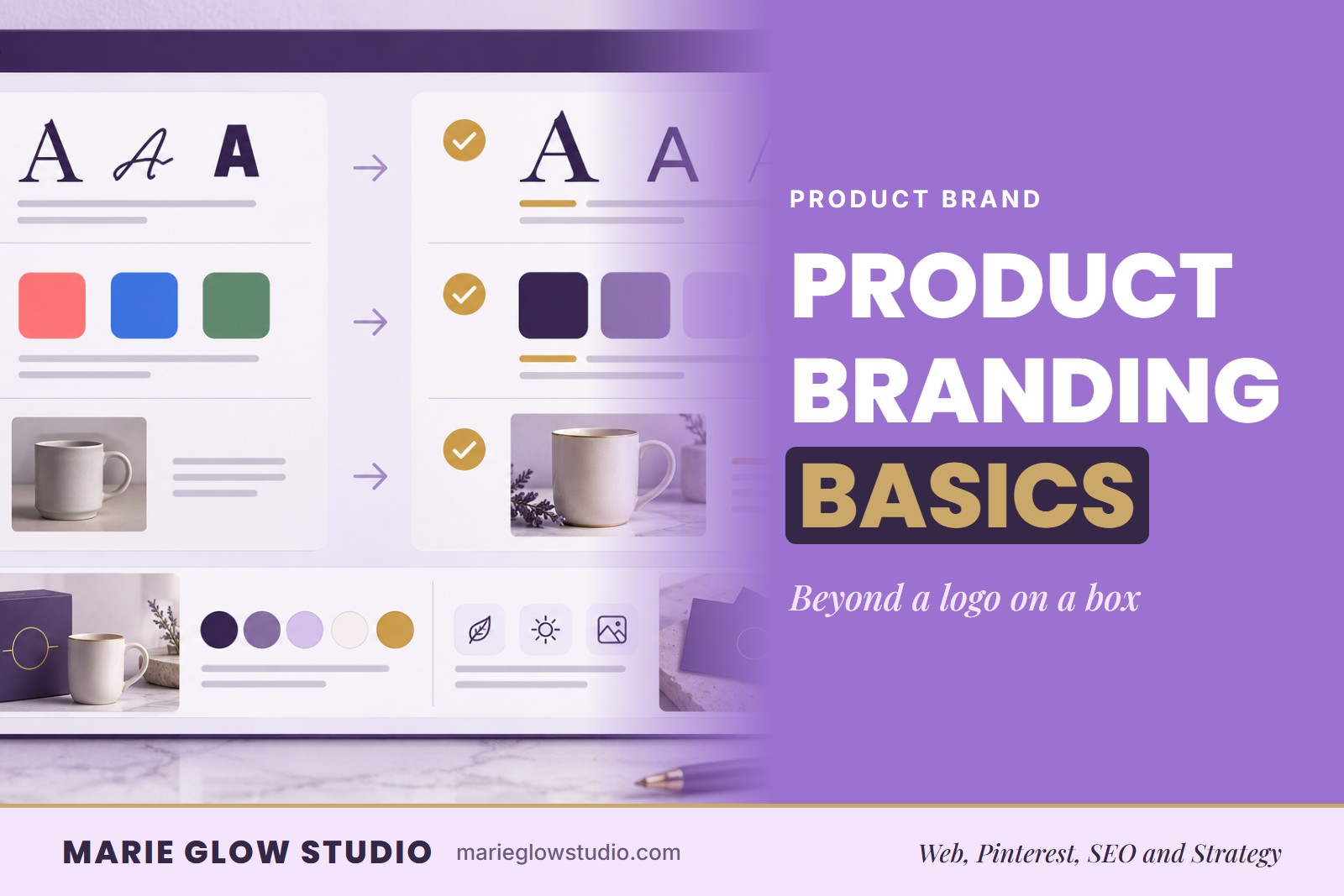
Product branding is more than a logo on a box. Here is how positioning, names, packaging, photos and voice add up to one recognizable business.
Product Launch Tips for Small Businesses
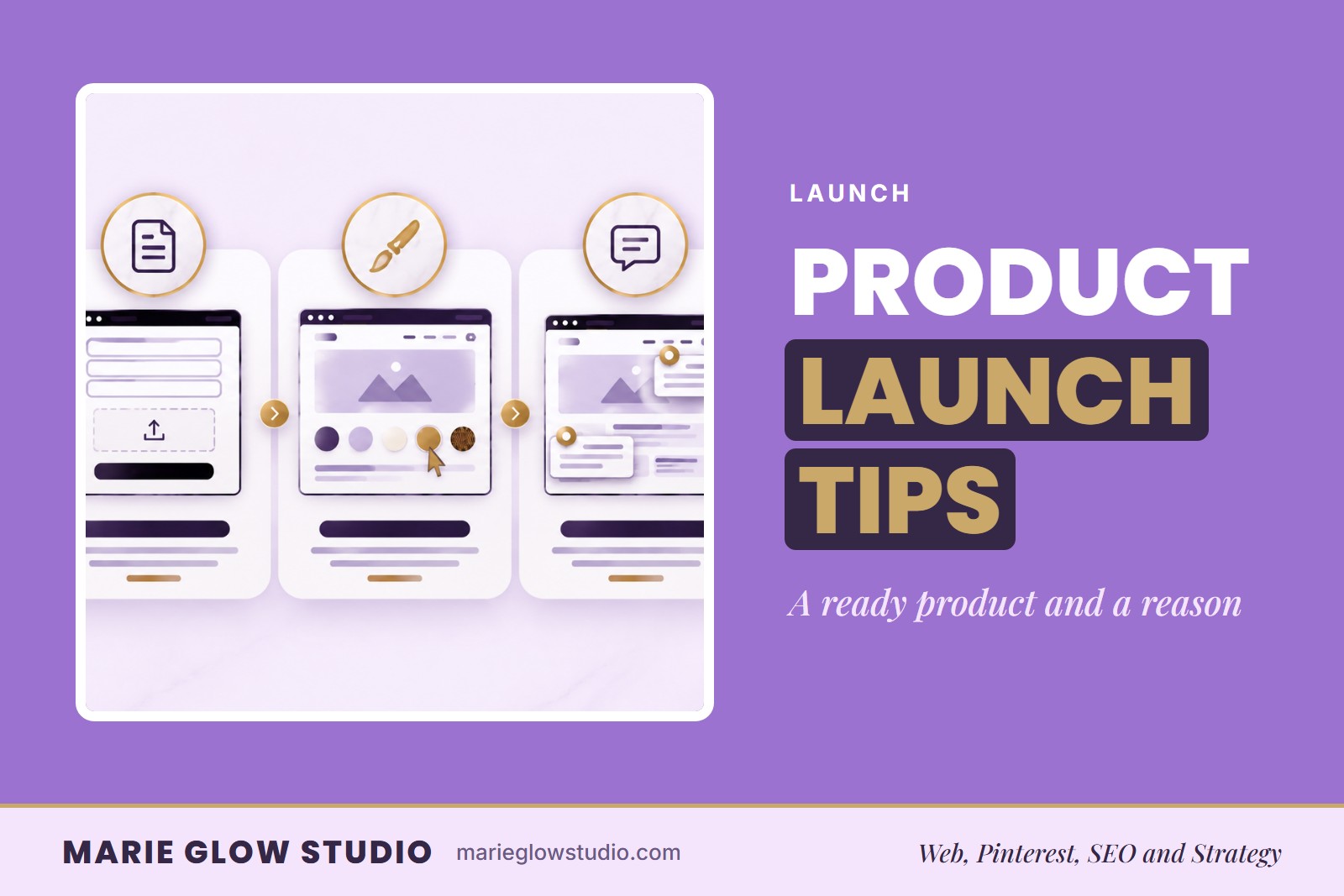
A launch needs a ready product, accurate information and a reason people should care. Here is a step by step plan that works without a big audience.

How to Start a Product-Based Business From Home
A mom of 7 explains how she stopped overthinking, started her product-based business from home, and what she got wrong along the way.