Product Launch Tips for Small Businesses
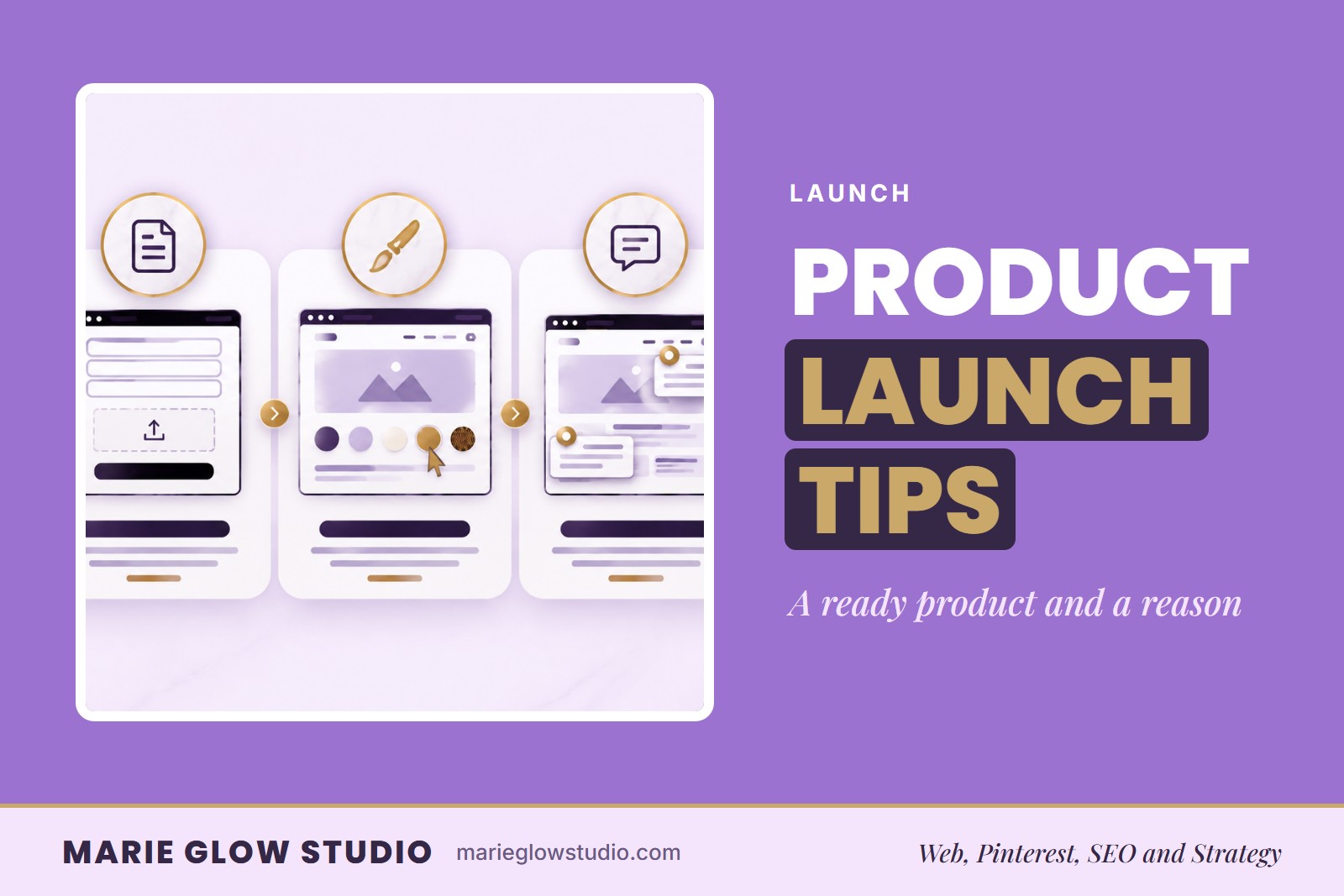
A launch doesn't need a huge audience or a dramatic countdown. It needs a ready product, accurate information, and a reason people should care. For a small business, the best product launch tips come down to a finished product page, correct pricing and inventory, a clear message, and a few pieces of content.
How do you know the product is worth launching?
Confirm that it solves a real need or desire before you spend time on a big launch. Customer questions, search behavior, past orders, small tests, waitlists and prelaunch interest all count as evidence. If people are already asking for it, you have your answer. If they are not, adjust the product or the audience first.
How should you set pricing and inventory?
Calculate the complete cost: materials, labor, overhead, fees, packaging and shipping impact, then confirm what remains as profit. Next decide how the launch will run: ready to ship, made to order, preorder or limited. That choice tells customers what to expect and tells you what to prepare.
What should the product page include before launch day?
Finish the page early, so attention lands on a page that can answer questions. Before launch day, have these ready:
- title, description and benefits
- specifications, photos and alt text
- variants, care details and turnaround
- shipping, returns and a short FAQ
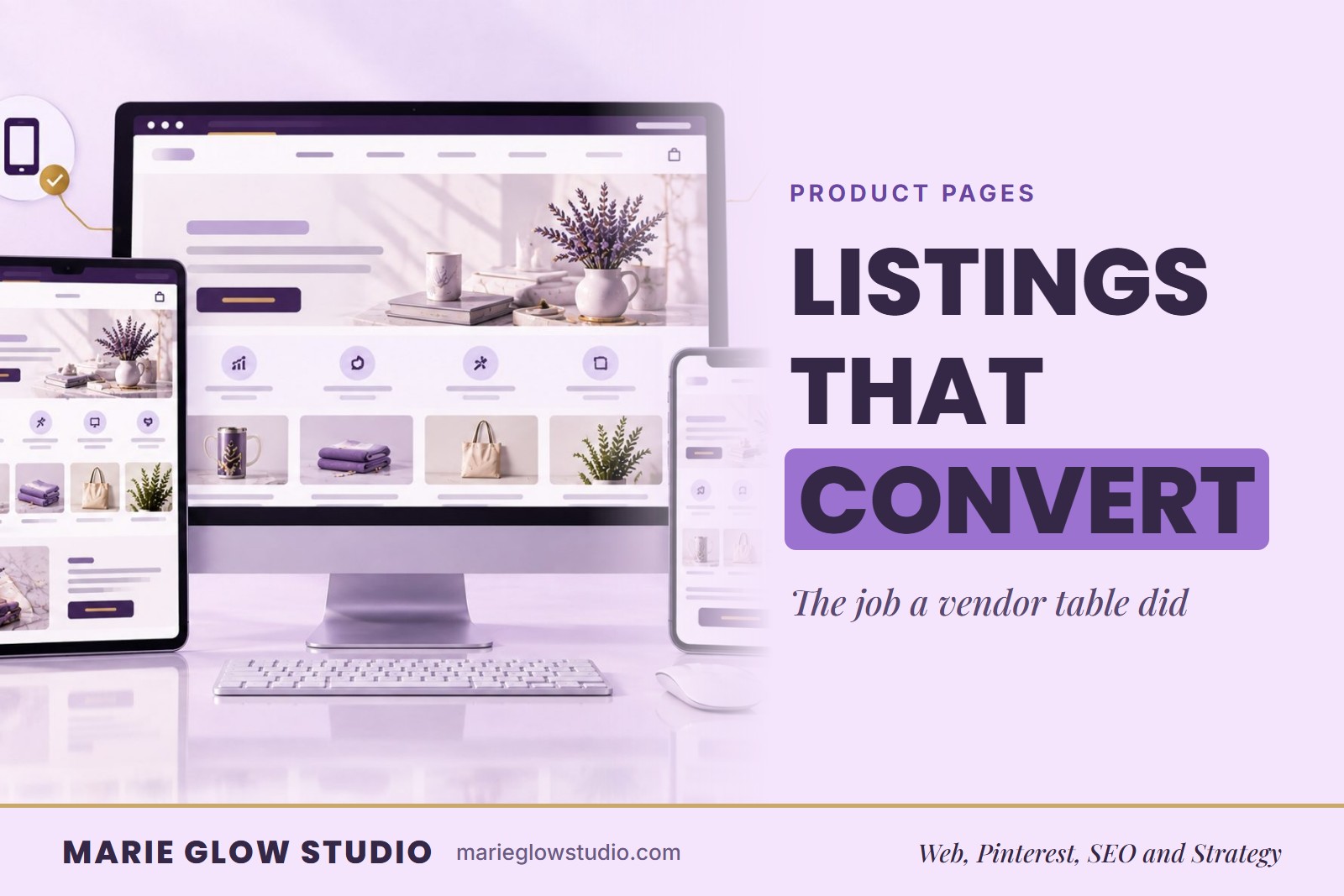
For a closer look at that page, read how to create product listings that convert. If the store itself is part of the launch, allow for build time. The Complete Website and Brand Identity takes roughly 2 to 3 weeks, depending on how quickly you can provide product images and content, so it belongs early in your timeline.
What message should the launch share?
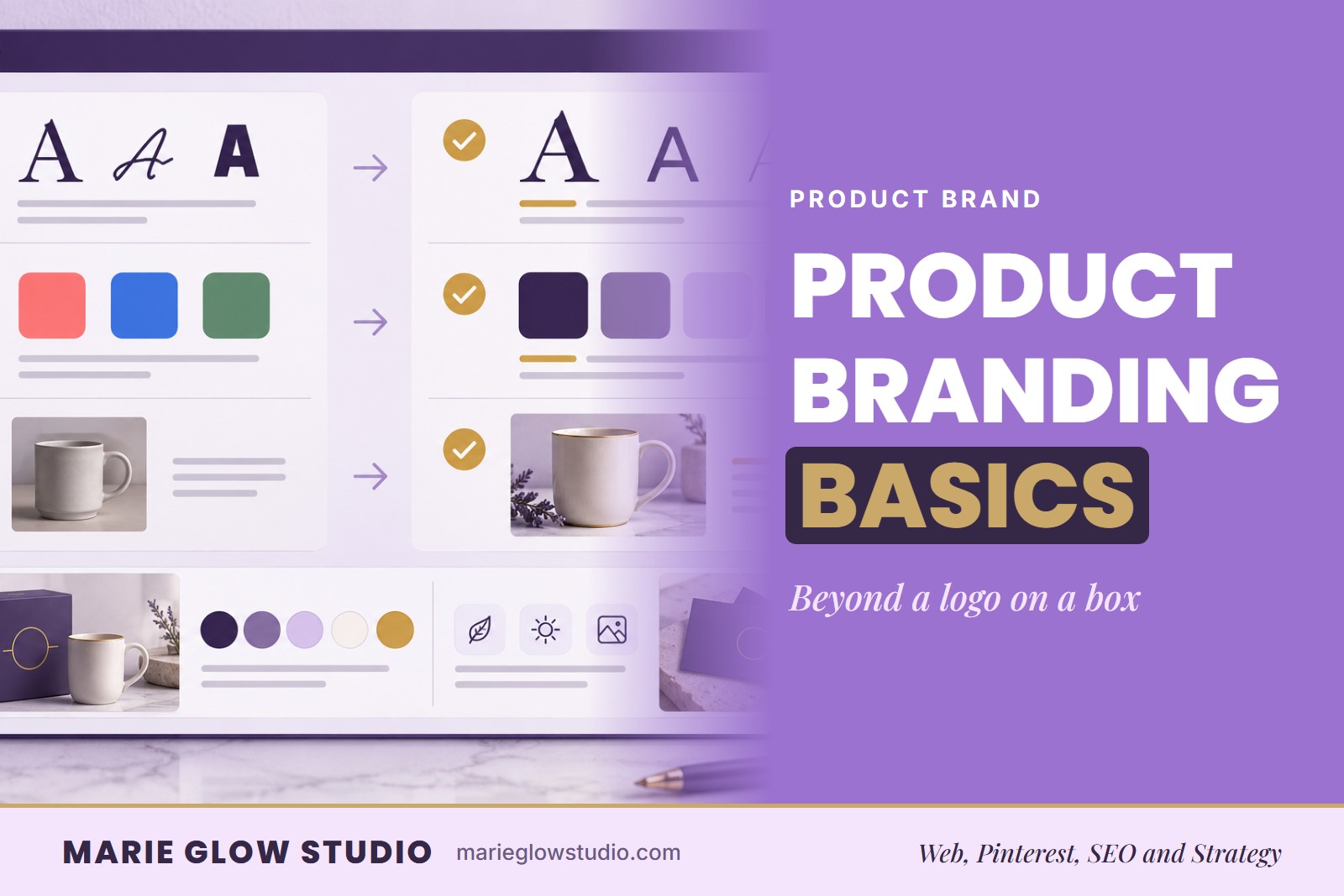
Choose the main benefit, audience, occasion, problem or style, and use the same core message across the page, your email, your Pins and your social content. When every touchpoint says the same thing in a different format, the launch feels clearer. That is branding at work, and the basics of product branding explain how to keep it consistent.
What content do you need for a launch?
Prepare a small content set instead of relying on one post. As appropriate for your product, plan pieces for:
- the announcement
- education and product details
- lifestyle and behind the scenes
- frequently asked questions
- reminders and a last chance
How do email and Pinterest fit into a launch?
Email lets you warm subscribers with useful context before launch, announce the product, answer questions and follow up afterward. Send only to people who have consented to marketing.
Pinterest users plan ahead, so publish search-focused Pins early, linked to the finished product, collection, gift guide or launch article, before peak demand arrives.
How should you test the customer journey?
Before you announce anything, walk through the purchase as a customer would. Check mobile pages, variants, inventory, discount codes, shipping, checkout, notifications, links, forms and support details. Fixing a broken link now is far easier than fixing it during the first rush of orders.
What should you review after launch?
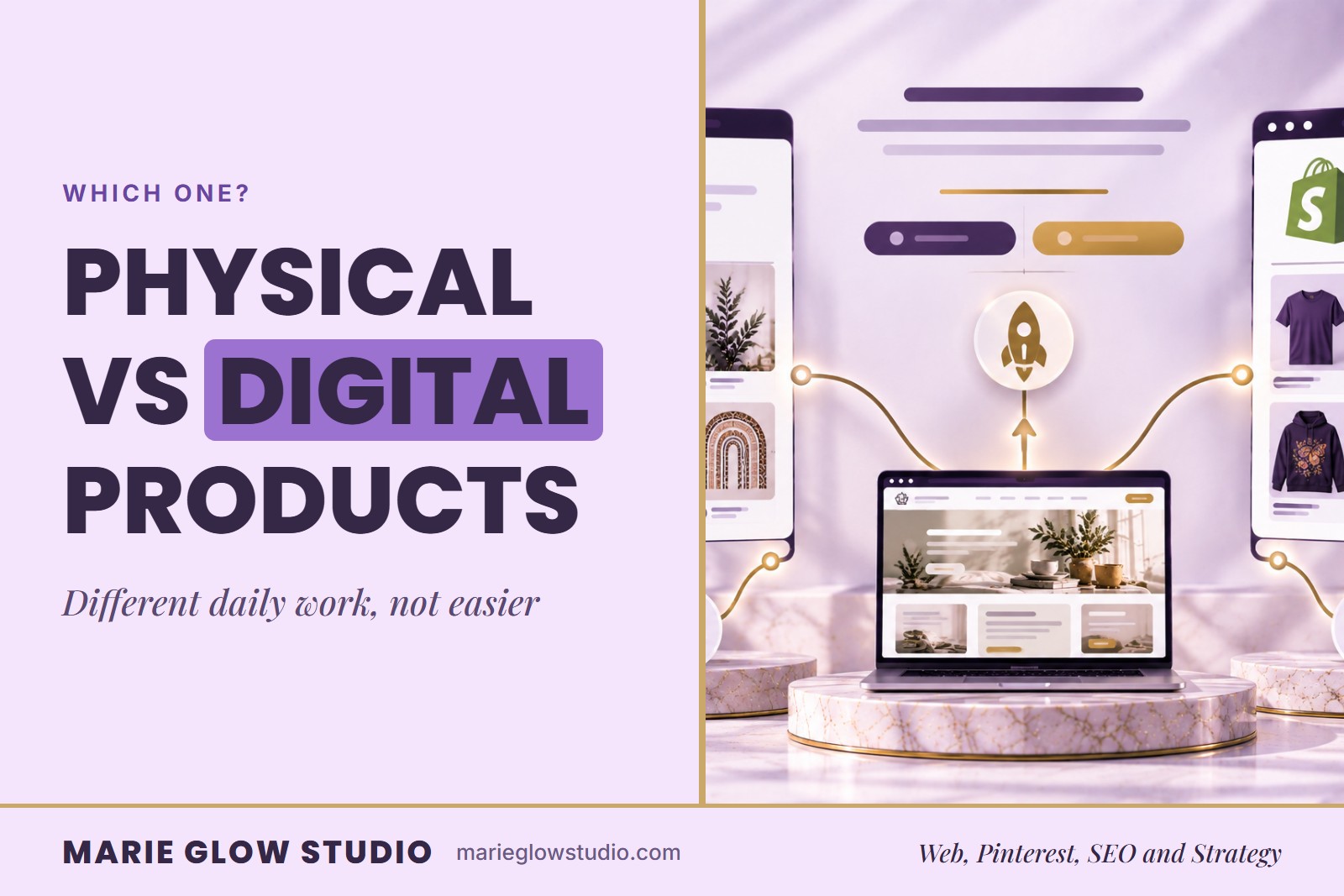
Record traffic, clicks, signups, sales, questions, returns and production issues. Use the results to improve the next launch instead of judging only opening day sales. If the launch is slow, that is information: review traffic quality, page clarity, demand, pricing, timing, photos and the offer. Choosing what to sell in the first place is covered in physical products vs digital products.
Frequently asked questions
How far ahead should a small business plan a product launch?
Simple launches may need a few weeks, while seasonal, manufactured, or larger launches may need months. Work backward from production, photography, pages, and marketing.
Do I need a discount for a product launch?
No. Early access, bundles, limited quantities, bonuses, useful education, or strong product value can support a launch without lowering price.
What content should be created for a launch?
Prepare clear product images, benefits, details, FAQs, behind-the-scenes context, email messages, Pins, reminders, and customer support information.
What if a product launch is slow?
Review traffic quality, page clarity, demand, pricing, timing, photos, offer, and questions. A slow launch provides information for improvement.
Keep reading
The Basics of Product Branding
Product branding is more than a logo on a box. Here is how positioning, names, packaging, photos and voice add up to one recognizable business.
Physical Products vs Digital Products
Neither product type is automatically easier or more profitable. See how they compare and which questions help you choose the daily work you want.
How to Create Product Listings That Convert
A product page has to explain what it is, who it is for and why to trust it without you in the room. Here is how to write listings that answer those questions.