The 5 Emails Every Small Business Needs
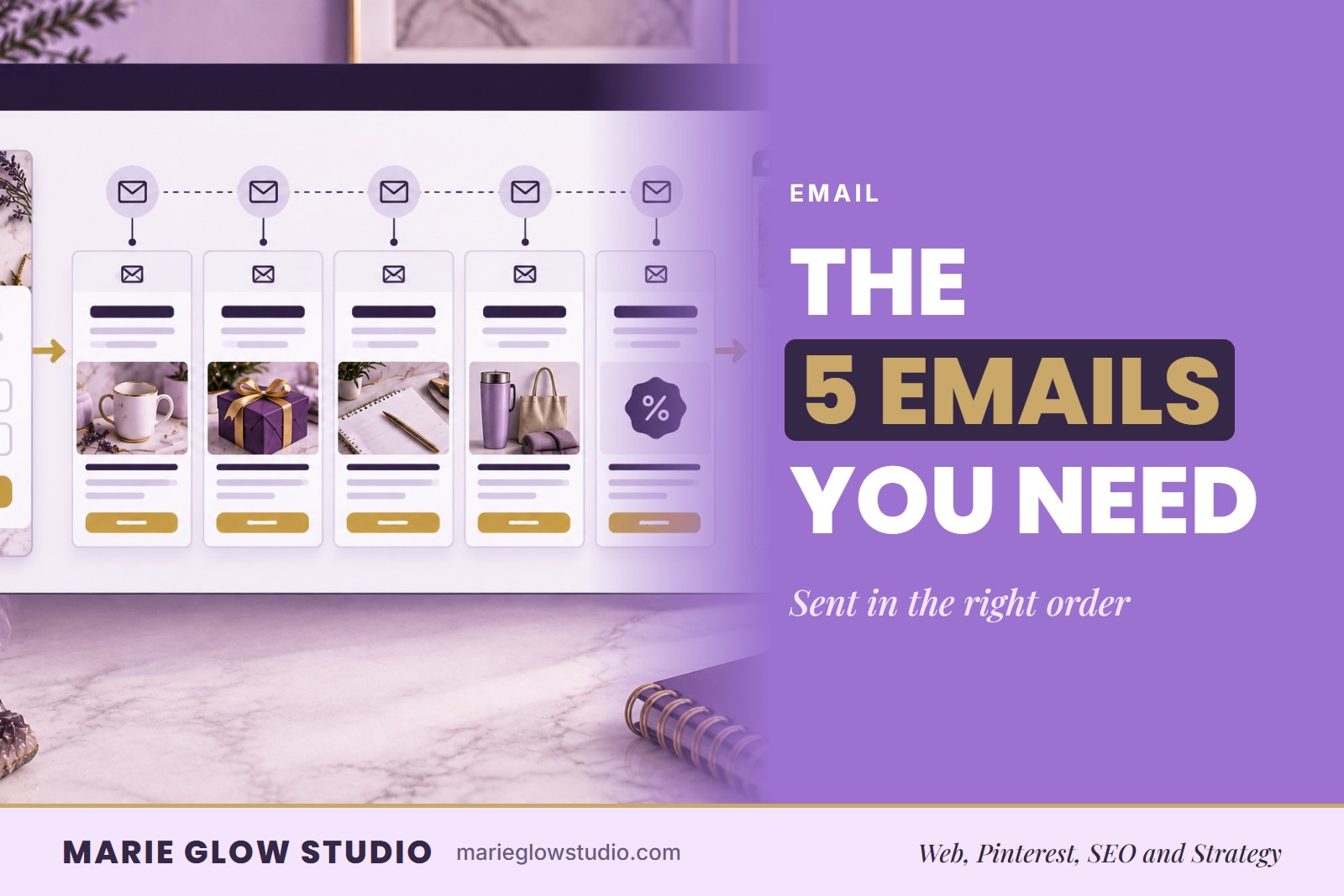
You don't need thirty automations. You need five emails, sent in the right order. The five are a welcome and delivery email, a helpful nurture email, a story and trust email, a relevant offer email, and a follow-up or re-engagement email.
What are the five emails a small business needs?
Email marketing does not need to begin with a complicated funnel and thirty automations. A small business can create a strong foundation with a few useful messages that welcome people, build trust, make offers, and continue the relationship.
These five emails can be adapted for product businesses, service providers, and creators. The exact timing and wording should match what the subscriber asked for.
| Its main job | |
|---|---|
| 1. Welcome and delivery | Fulfill the signup promise and introduce the business |
| 2. Helpful nurture | Teach one idea connected to the signup |
| 3. Story and trust | Explain why you do the work and show real proof |
| 4. Relevant offer | Introduce a product or service that fits the subscriber's interest |
| 5. Follow-up or re-engagement | Continue the relationship after a launch, purchase, inquiry, or quiet period |
1. What should the welcome and delivery email do?
Send this immediately after signup. Thank the subscriber, deliver the promised guide, code, or resource, introduce the business briefly, and explain what happens next. Put the link or code near the top so it is easy to find, and save the longer story for a later email. The stretch right after signup is covered step by step in What Happens After Someone Joins Your Email List?.
2. What should the helpful nurture email teach?
Teach one useful idea connected to the signup. Answer a common question, share a quick process, or help the subscriber use the lead magnet. Someone who signed up for a checklist, for example, could get a short note on which item to tackle first.
3. How does the story and trust email work?
Explain why you started, what you learned, or how your approach helps customers. Include real proof such as a case study, product detail, testimonial, or example without exaggerating.
4. What belongs in the relevant offer email?
Introduce a product or service that logically follows the subscriber's interest. Explain who it is for, the benefit, important details, and one clear call to action. A subscriber who joined for one topic should meet an offer that fits that topic, not a random promotion.
5. When should you send the follow-up or re-engagement email?
Follow up after a launch, purchase, inquiry, or period of inactivity. Ask a simple question, provide support, request a review when appropriate, or let quiet subscribers choose whether to stay. A short, friendly check-in respects their inbox and keeps your list made up of people who want to hear from you.
How do you keep every email focused?
Choose one main purpose and one primary action. Several competing offers can make an email harder to follow, and harder to judge afterward. If you have more to say, save it for the next email.
Should you build reusable email templates?
Yes. Save a branded structure for headlines, buttons, product blocks, service invitations, disclosures, and the footer. Reuse the framework while keeping the message relevant, so you save time without making every email sound the same.
How do you test what subscribers see?
Subscribe through your own form, open each email on mobile, test links, confirm downloads work, and check the sender name, reply address, and unsubscribe option.
What do you need to build these five emails?
The Flodesk link below is a referral link. I may earn a commission if you purchase through one of these links, at no additional cost to you.
The first email is triggered by a signup, so you need a platform that supports welcome automations as well as newsletters, and Flodesk is one you can explore for both.
Where should you go after these five emails?
To avoid the traps that undo a good sequence, read Email Marketing Mistakes Small Businesses Make. For fuller layouts of the first few messages, see Welcome Email Sequence Examples for Small Businesses. If the pins that feed your list are underperforming, the Pinterest SEO Audit reviews your existing pin titles and descriptions.
Frequently asked questions
What email should a small business send first?
Start with an immediate welcome or delivery email that fulfills the promise made on the signup form.
How often should a small business email subscribers?
Choose a schedule you can maintain and set expectations. Weekly, biweekly, or monthly can work when the content remains useful.
Does every email need to sell something?
No. Helpful education, customer support, stories, resources, and product guidance can build trust between promotional emails.
Can one email serve more than one purpose?
It can, but one clear main goal usually creates a better reading experience and makes performance easier to understand.
Keep reading
What Happens After Someone Joins Your Email List?
The signup is only the start. Follow a new subscriber through eight steps, from the confirmation message to a welcome sequence and your regular newsletter.
Welcome Email Sequence Examples for Small Businesses
A welcome sequence is a short set of emails that deliver what you promised. See four examples you can adapt, with the purpose of each email and when to send the first.
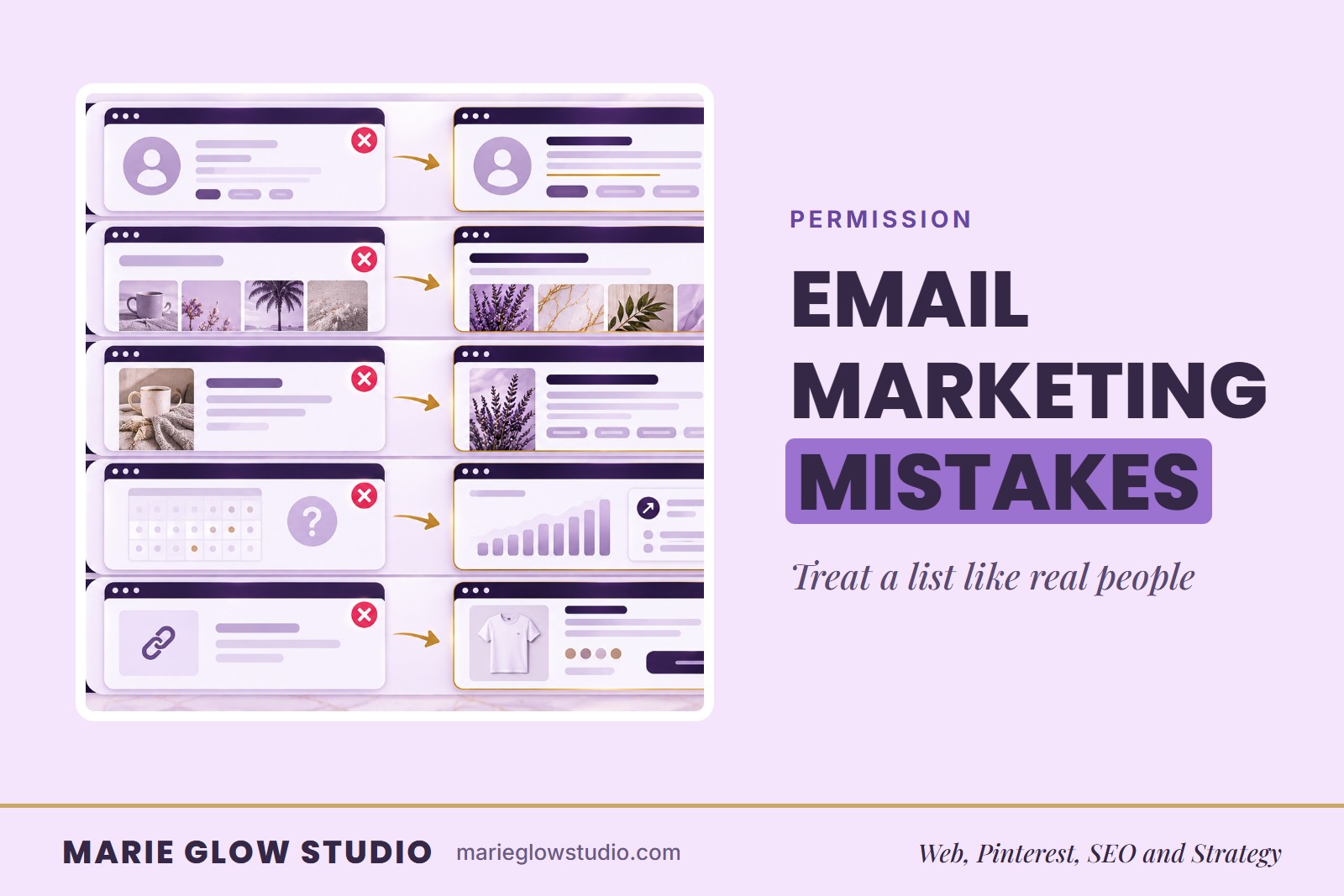
Email Marketing Mistakes Small Businesses Make
Most email mistakes come from treating a list like a number instead of real people. See eight common ones and the order to fix them in.