What Happens After Someone Joins Your Email List?
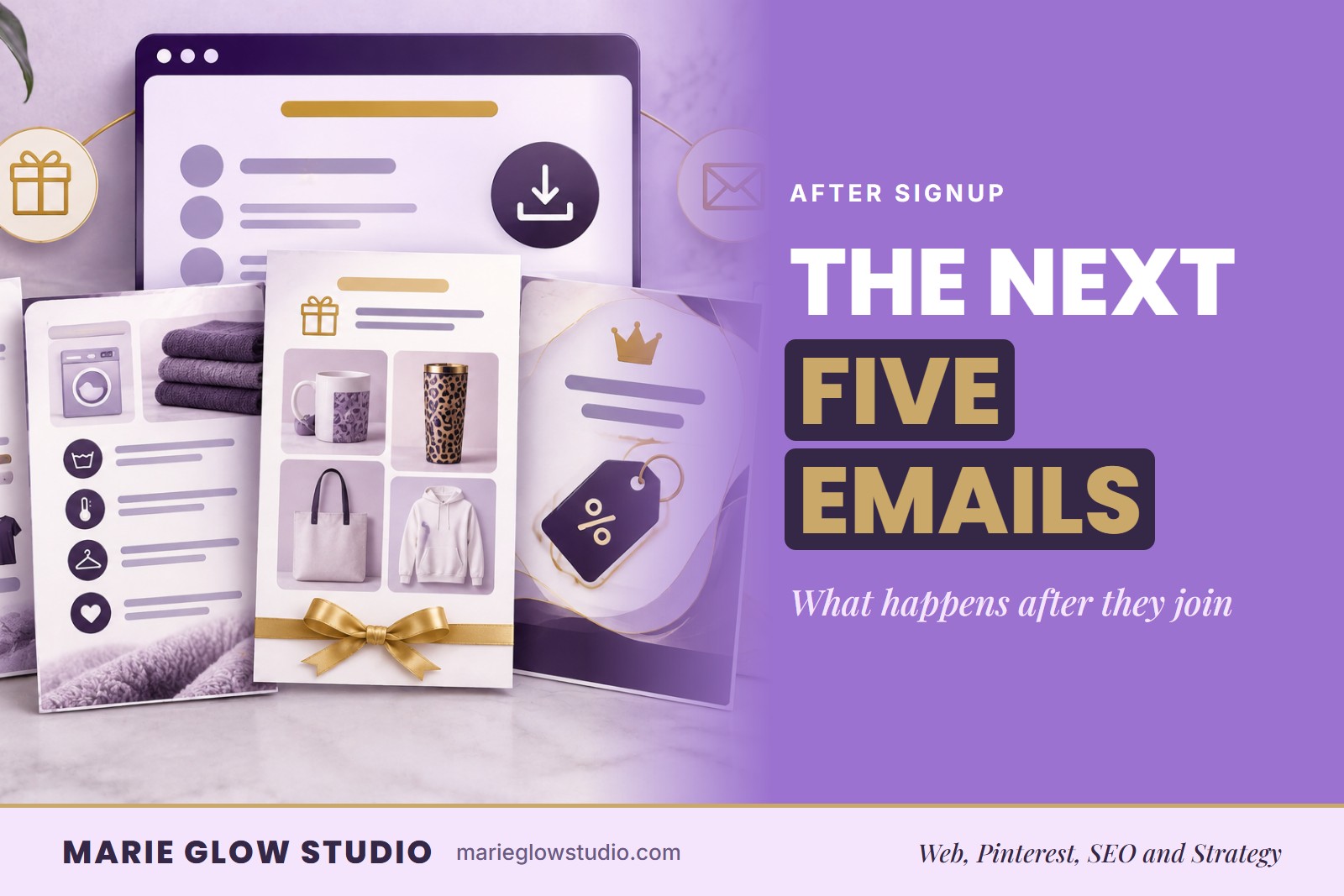
The signup is the easy part. What happens in the next five emails is what decides whether that person ever buys anything. After someone joins your email list, they should receive a clear confirmation and any promised resource right away, followed by a short welcome sequence that introduces your business and offers one relevant next step.
What should happen after someone subscribes?
Getting someone to join your email list is not the finish line. It is the beginning of a new relationship.
A subscriber trusted you with a place in their inbox because they wanted a resource, update, discount, idea, or connection. What happens next can make them feel welcomed, or leave them wondering whether the signup worked at all. The process does not need to be complicated. It needs to be intentional.
Step 1: How should you confirm the signup?
Show a confirmation message immediately after the form is submitted. Tell the subscriber what to expect next and where to look for it. A useful message may say:
- Your signup was successful.
- Your free guide is on the way.
- Check your promotions or spam folder if you do not see it.
- Add this email address to your contacts.
If your email provider uses double opt-in, explain that the subscriber must confirm their email before receiving future messages.
Step 2: When should the promised lead magnet arrive?
Promptly. If someone joined for a checklist, template, discount code, guide, or workbook, deliver it right away. The first email should make the link or code easy to find.
Do not bury the promised resource under a long introduction. Fulfill the reason they subscribed first. You can introduce yourself briefly after that.
Step 3: What goes in the welcome email?
Your welcome email should sound like a real person. Thank the subscriber, explain what your business does, and tell them what kind of emails you send. A simple welcome email can include:
- A warm thank-you
- The promised resource or offer
- A short introduction to you and the business
- What the subscriber can expect
- One clear next step
You do not need to share your entire life story in the first email. Give people enough context to understand why your emails may be useful to them.
Step 4: What is a welcome email sequence?
A welcome email sequence is a set of automated emails sent to new subscribers over several days. It helps you continue the conversation without manually sending every message.
For many small businesses, three to five emails are enough to begin:
- Delivery and welcome: provide the resource and introduce the business.
- Helpful next step: explain how to use the resource or solve a related problem.
- Your story or approach: share why you do the work and what makes your process different.
- Proof and trust: include a useful example, result, testimonial, or common question.
- Relevant invitation: point to a product, service, blog post, or consultation that matches the subscriber's interest.
The Flodesk link below is a referral link. I may earn a commission if you purchase through one of these links, at no additional cost to you.
I use Flodesk to organize forms, email automations, and welcome sequences. If you are choosing an email platform, you can try it and see whether it fits your business. For worked examples of a full sequence, see Welcome Email Sequence Examples for Small Businesses.
Step 5: How do you set clear expectations?
Tell subscribers how often you normally email and what you plan to share. You do not need a perfect schedule, but people should have a general idea of why they are on the list. For example, you might send:
- A weekly small-business tip
- New product announcements
- Early access to launches or sales
- Monthly behind-the-scenes updates
- Helpful blog posts and resources
Only promise a schedule you can realistically maintain.
Step 6: How do you keep the content connected to the signup?
If someone joined for Pinterest tips, start by sending Pinterest-related content. If they downloaded a product photography checklist, follow with product-based business advice.
When your email platform separates subscribers based on their interests or actions, this is called segmentation. You can begin simply by using different forms or tags for different lead magnets.
Step 7: What next step should each email give?
Every email does not need to sell something, but it should have a purpose. Ask yourself what you want the reader to do after reading. The next step may be to:
- Download the resource
- Reply with a question
- Read a related blog post
- Browse a product collection
- Learn about a service
- Follow your Pinterest account
- Book a consultation
One focused call to action is usually easier to follow than several unrelated buttons.
Step 8: How do you keep nurturing the relationship?
After the welcome sequence ends, move the subscriber into your regular newsletter or content schedule. Keep sharing information that is useful, relevant, and connected to the reason they joined.
You do not need to email only when you are selling. Helpful tips, honest business lessons, product education, customer questions, and behind-the-scenes updates can all build familiarity over time. If you are still deciding whether an email list is worth building, read Why Every Small Business Needs an Email List for Growth.
Which welcome sequence mistakes lose subscribers?
Most losses come from a signup that is not followed through:
- Not sending the promised resource
- Waiting too long to send the first email
- Sending a sales pitch before providing value
- Using a generic sender name people do not recognize
- Including too many calls to action
- Never explaining what future emails will include
- Continuing to email people who unsubscribe
- Forgetting to test links and automations
How do you make the first few emails feel intentional?
Your email list does not need a complicated funnel on day one. Start by delivering what you promised, introducing the business, sharing something helpful, and giving the reader a clear next step. For a compact plan of which messages to write, read The 5 Emails Every Small Business Needs.
If you want to bring more people to your blog, lead magnet, or signup page, explore Pinterest marketing for small businesses. To see whether your pins are actually sending people to those pages, the Pinterest SEO Audit includes a review of your Pinterest analytics.
Frequently asked questions
How soon should a welcome email be sent?
The first email should normally arrive immediately or within a few minutes, especially when it contains a promised download, discount, or confirmation.
Should the first welcome email sell a product?
The first priority is delivering what was promised and welcoming the subscriber. You may include a relevant product or service link, but it should not distract from the reason the person joined.
What is the difference between a welcome email and a newsletter?
A welcome email or sequence is triggered when someone subscribes. A newsletter is an ongoing email sent to your broader list on a regular or occasional schedule.
Do small businesses need email automation?
Automation is not required to send emails, but it helps deliver lead magnets and welcome messages consistently without requiring the owner to send each email manually.
Keep reading
Welcome Email Sequence Examples for Small Businesses
A welcome sequence is a short set of emails that deliver what you promised. See four examples you can adapt, with the purpose of each email and when to send the first.
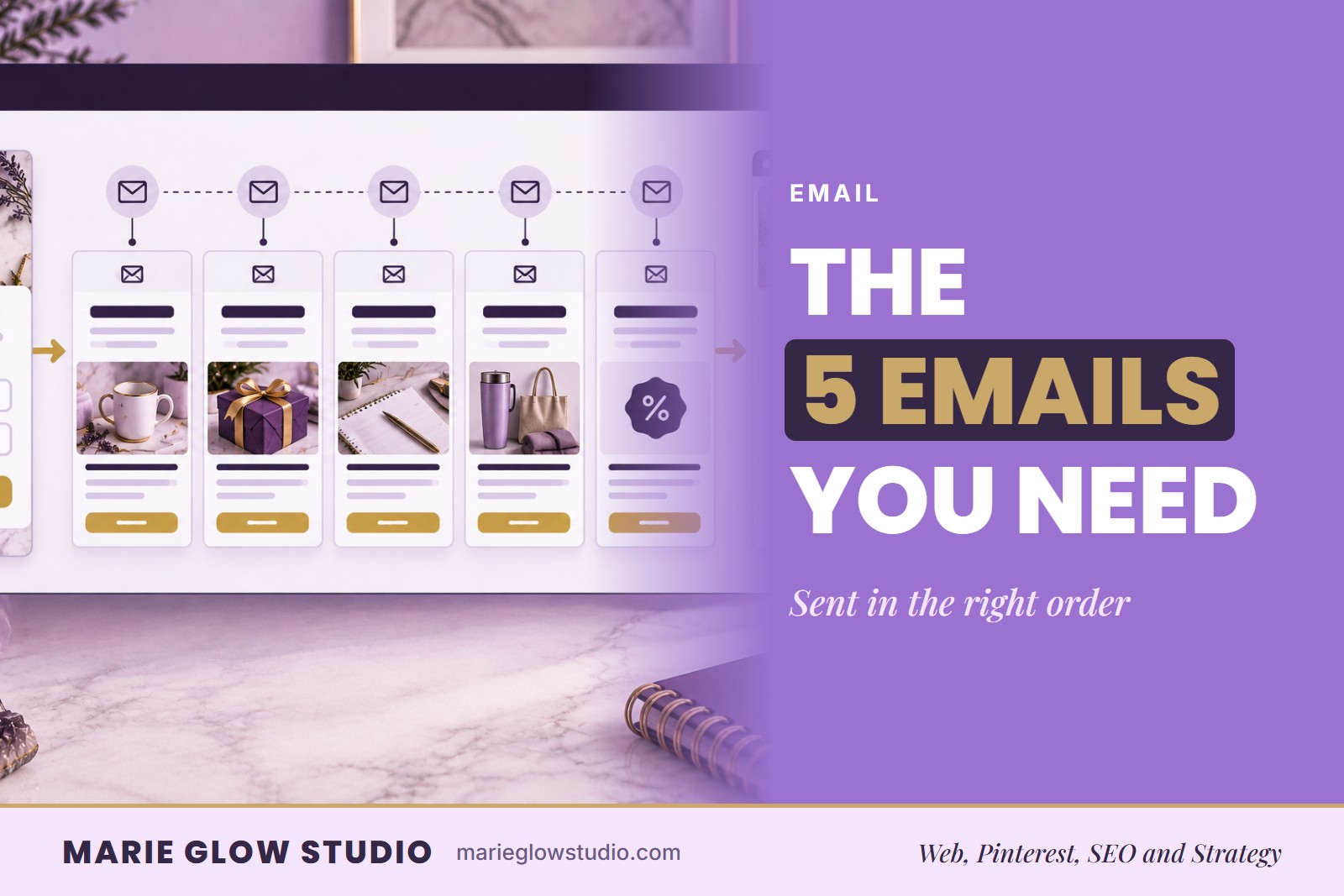
The 5 Emails Every Small Business Needs
You do not need thirty automations to start. Here are five emails, in order, that welcome people, build trust and make a relevant offer.
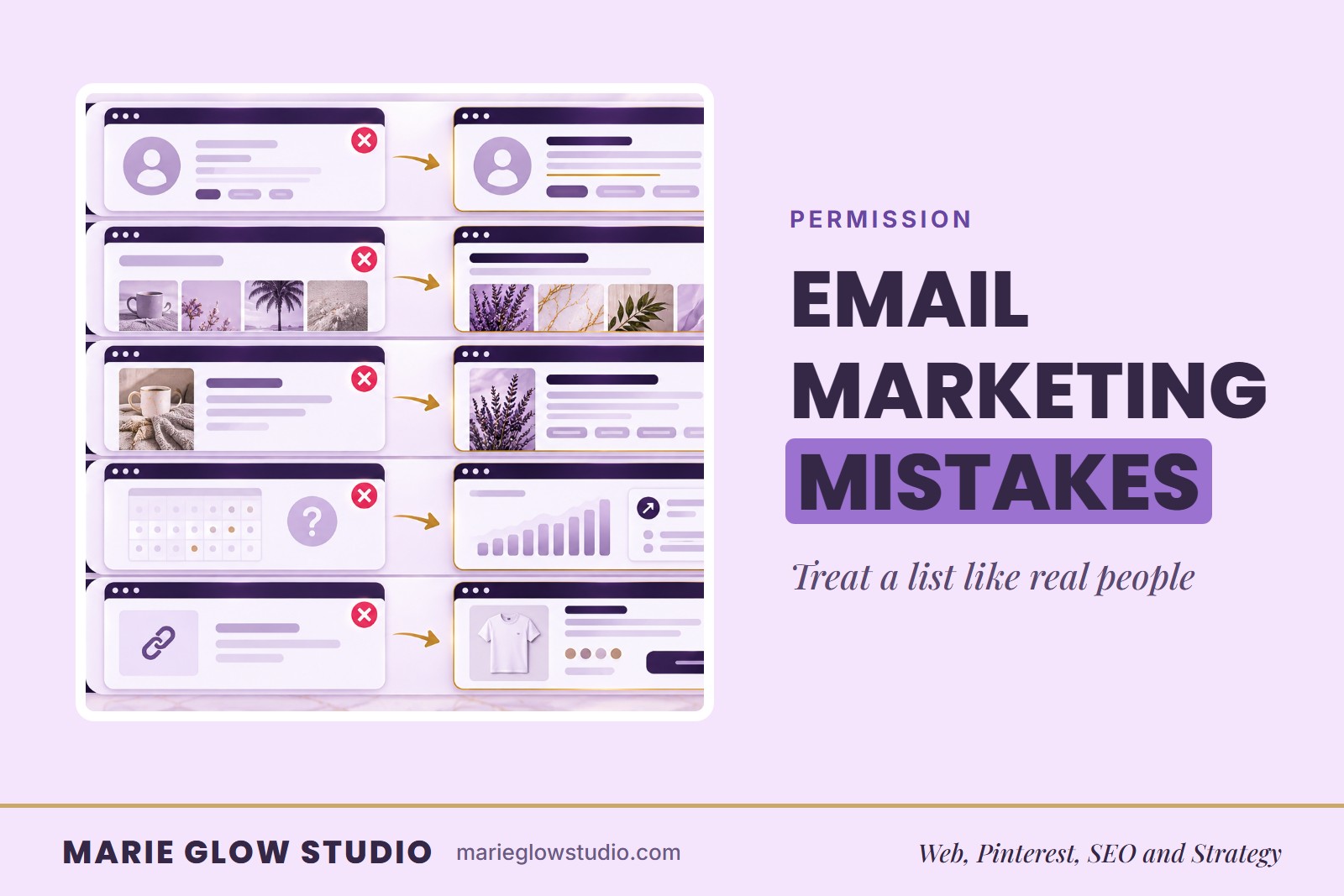
Email Marketing Mistakes Small Businesses Make
Most email mistakes come from treating a list like a number instead of real people. See eight common ones and the order to fix them in.