Why Every Small Business Needs an Email List for Growth
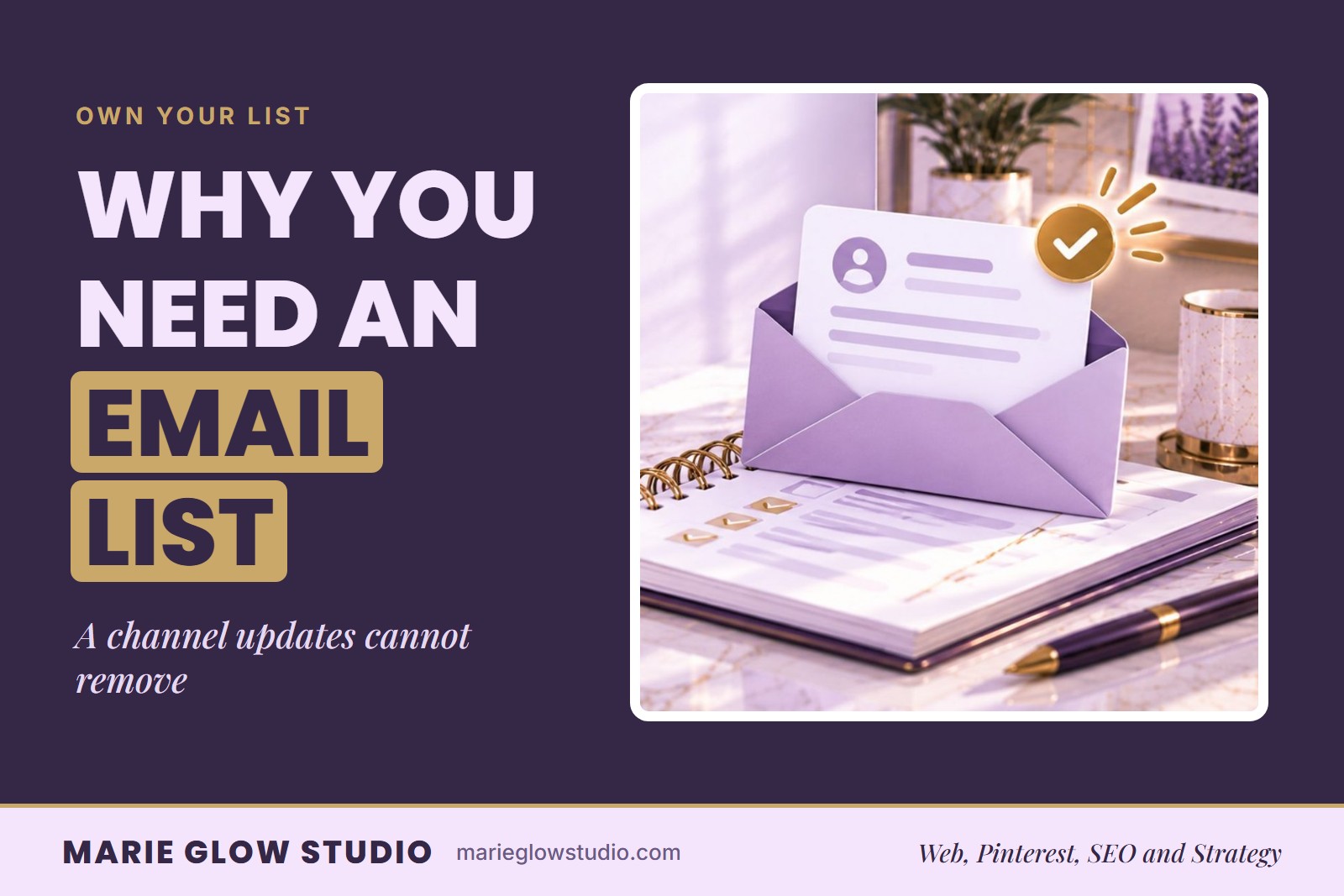
One day a post gets attention. The next day it feels like your reach disappeared for no reason. An email list is the one channel a platform update can't take away from you. In practice, a list is a direct line to people who asked to hear from you, not to whoever an algorithm chooses to show.
Does email replace social media, Pinterest, or your website?
Email does not replace your website, blog, Pinterest, or social media. It supports them. For example, a blog post can help people find you through search, a Pinterest pin can send new traffic to your website, and your email list can help you keep building the relationship after someone leaves your site.
That makes email one of the small business growth strategies that does not depend on one algorithm. If you are working on visibility first, this guide on how to create Pinterest pins that get clicks is a helpful next step because Pinterest and email can work beautifully together, and How Pinterest and Email Marketing Work Together shows the whole path from a pin to a subscriber.
What is a small business email list?
A small business email list is a group of people who have chosen to receive emails from your business. They might sign up through your website, blog, checkout page, lead magnet, pop-up form, or free resource.
These people are called subscribers. They have given you permission to email them because they are interested in your products, services, tips, resources, story, or business updates.
A simple email list usually includes:
- A signup form where people can join.
- A reason to subscribe, such as a discount, checklist, guide, freebie, or helpful resource.
- A welcome email that introduces your business.
- Ongoing emails, such as newsletters, product updates, blog posts, tips, or promotions.
You do not need a huge list to start. A small, engaged list can be more valuable than a large audience that never opens, clicks, or connects. The goal is not to collect random emails. The goal is to build a helpful, trust-based connection with people who are a good fit for your business.
Why does an email list matter more than followers?
Social media can be helpful, but it is not something you fully control. Your reach can change. Platforms can shift. Algorithms can make it harder for your content to show up. Accounts can get restricted, hacked, or buried without much warning.
Your email list gives you a more stable marketing foundation because you are building a direct connection with your audience. You still need to respect your subscribers, send helpful content, and follow email marketing rules, but you are not depending only on a platform to decide who sees your message. Instead of only hoping a platform shows your post to the right audience, you can send helpful updates, resources, product news, and reminders straight to your subscribers.
For small business owners, that matters because your email list can help you:
- Share new blog posts with people who already care about your topic.
- Announce product launches, restocks, and seasonal collections.
- Promote services in a softer, more educational way.
- Build trust before someone is ready to buy.
- Stay connected with past customers.
- Invite people back to your website instead of only keeping them on social media.
This is especially helpful if you are growing a product-based business, a Shopify store, or a service-based brand. You can use your blog and Pinterest marketing to bring people in, then use email to keep the conversation going. Email marketing also makes it easier to share timely updates in a way that feels personal instead of pushy.
Social media helps people discover you. Email helps you stay connected.
What can you send to your email list?
One of the biggest reasons business owners put off email marketing is because they are not sure what to send. The good news is your emails do not have to be complicated. You can send:
- A welcome email that introduces who you are and how you help.
- Helpful tips related to your products, services, or niche.
- New blog posts or educational guides.
- Behind-the-scenes updates from your business.
- Product launches, restocks, or seasonal offers.
- Customer stories, testimonials, or before-and-after examples.
- Personal notes that help your audience feel connected to the person behind the business.
- Simple reminders about resources, services, or products you already offer.
For example, if you sell custom products, you might send an email with gift ideas, product care tips, a holiday ordering reminder, or a behind-the-scenes look at how you create designs. If you offer services, you might send a helpful checklist, a short strategy tip, or a blog post that answers a common client question.
How do you start an email list without overcomplicating it?
You do not need a perfect funnel, a giant freebie, or a complicated automation setup to start. A simple email list can begin with a few basic pieces.
The Flodesk link below is a referral link. I may earn a commission if you purchase through one of these links, at no additional cost to you.
- Choose an email marketing platform. Look for something beginner-friendly that lets you create signup forms, send newsletters, and set up a simple welcome email.
- Create one signup form. Start with a form for your website, blog, or homepage.
- Give people a clear reason to subscribe. This could be a discount, a checklist, a guide, updates, or helpful tips.
- Write one welcome email. Tell subscribers who you are, what to expect, and where to go next.
- Add your signup form to important pages. Place it on your homepage, blog posts, footer, and any page where new visitors might want to stay connected.
For beginners, Flodesk can be a helpful place to start because it is designed for beautiful signup forms, newsletters, and simple email workflows without making the process feel overly technical. You can also explore Shopify's email marketing resources if you want to compare how email fits into your ecommerce setup. For what a new subscriber should receive first, see Welcome Email Sequence Examples for Small Businesses.
If your website does not have a clear place for email signups yet, that is also something to think about when reviewing your overall website strategy. The Shopify web design page describes how Marie Glow Studio builds personalized Shopify sites around what your customers search for, so visitors can navigate, shop, and sign up with less effort.
Which lead magnet ideas work for a small business?
A lead magnet is a free resource or incentive someone receives after joining your email list. It gives people a reason to subscribe beyond "join my newsletter." Your lead magnet does not have to be big. It just needs to be useful and connected to what your audience cares about. Here are a few simple ideas:
- A product care guide.
- A first-order discount code.
- A printable checklist.
- A small business resource list.
- A style guide or gift guide.
- A free mini training.
- A seasonal shopping guide.
- A website or branding checklist.
- A Pinterest content checklist.
The best lead magnet is one that connects naturally to the next step. If someone downloads a product care guide, they may be interested in your products. If someone downloads a Pinterest checklist, they may eventually want help with Pinterest strategy. Keep it simple, useful, and aligned with what you already offer. More options for shops that sell physical goods are in Lead Magnet Ideas for Product-Based Businesses.
Where should the signup form go on your website?
Once you create a signup form, do not hide it on one random page. Make it easy for interested visitors to find. Good places to add an email signup form include:
- Your homepage.
- Your blog posts.
- Your website footer.
- Your product pages.
- Your service pages.
- Your contact page.
- A dedicated free resource or lead magnet page.
Your blog can be one of the best places to grow your email list because readers are already learning from you. For example, a reader of a business tips post may be interested in a free business checklist, while a reader of a product photography post may want product listing or photography resources. If you are starting with no audience at all, Growing an Email List From Scratch gives the order to build things in.
What mistakes slow down a new email list?
Starting an email list is simple, but there are a few mistakes that can make it harder than it needs to be:
- Waiting until your business feels "big enough" to start.
- Only emailing when you are selling something.
- Making your signup form hard to find.
- Promising a freebie but not delivering it clearly.
- Sending emails without a welcome message.
- Trying to build a complicated funnel before you have the basics.
- Buying email lists or emailing people who did not choose to subscribe.
The biggest thing to remember is that email marketing should feel like a relationship, not a constant sales pitch. Teach, help, share, invite, and make it easy for people to take the next step when they are ready. Email Marketing Mistakes Small Businesses Make goes deeper into each of these.
How does an email list support long-term stability?
A small business email list is not just another marketing task. It is a way to build a more stable connection with your audience, especially when social media feels unpredictable. It gives you a channel you can own, nurture, and use again and again.
Start simple. Create one form, write one welcome email, give people one helpful reason to subscribe, and place the signup form where your website visitors can easily find it.
If you want more people to find your blog, lead magnet, or email signup, consider Pinterest. It can help bring long-term traffic to your website, while email helps you continue building trust after someone discovers you. If Pinterest is meant to send people to your signup page, the Pinterest SEO Audit includes a check of how your account connects to your website.
If you want to create forms, welcome sequences, newsletters, and sales emails in one place, explore Flodesk and choose the features that fit your business.
Frequently asked questions
Do I need an email list if I already have social media?
Yes, an email list is still helpful even if you are active on social media. Social media helps people discover you, but email helps you stay connected with people who have already shown interest in your business.
What should I send first?
Start with a welcome email. Thank the subscriber for joining, introduce your business, explain what they can expect, and share one helpful link or next step.
How often should a small business email its list?
Start with a realistic schedule you can maintain. For many small businesses, one or two emails per month is a manageable starting point. Consistency matters more than sending constantly.
Do I need a lead magnet to start an email list?
You do not have to have one, but a simple lead magnet can help people understand the value of joining your list. A checklist, guide, discount, or resource list can be enough to start.
Keep reading
Growing an Email List From Scratch
Every list starts at zero. Follow eight steps, from choosing who the list is for to sending on a schedule you can keep.
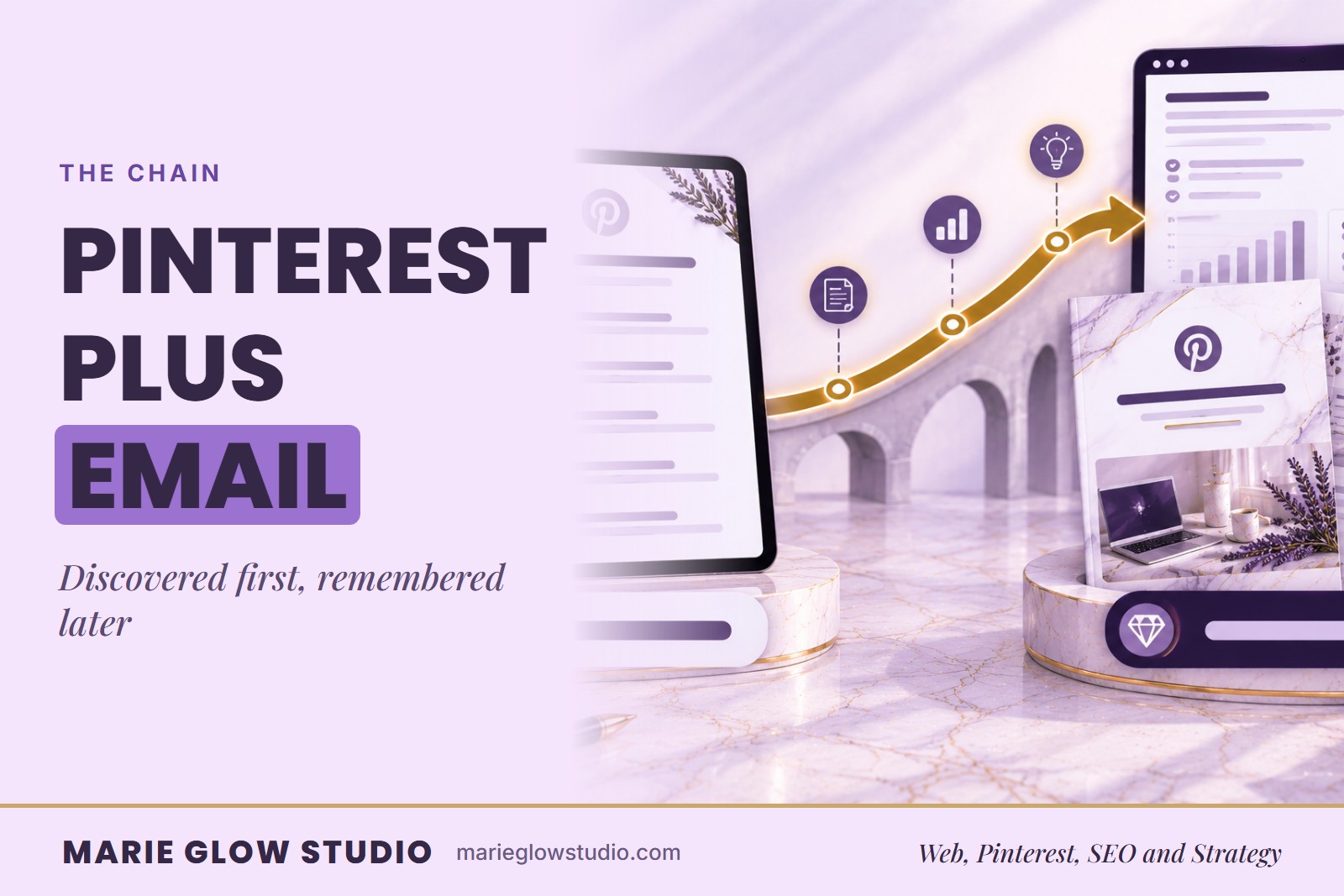
How Pinterest and Email Marketing Work Together
Pinterest gets strangers to your site and email keeps them. Follow the nine step path from a search to a subscriber and a lasting customer relationship.
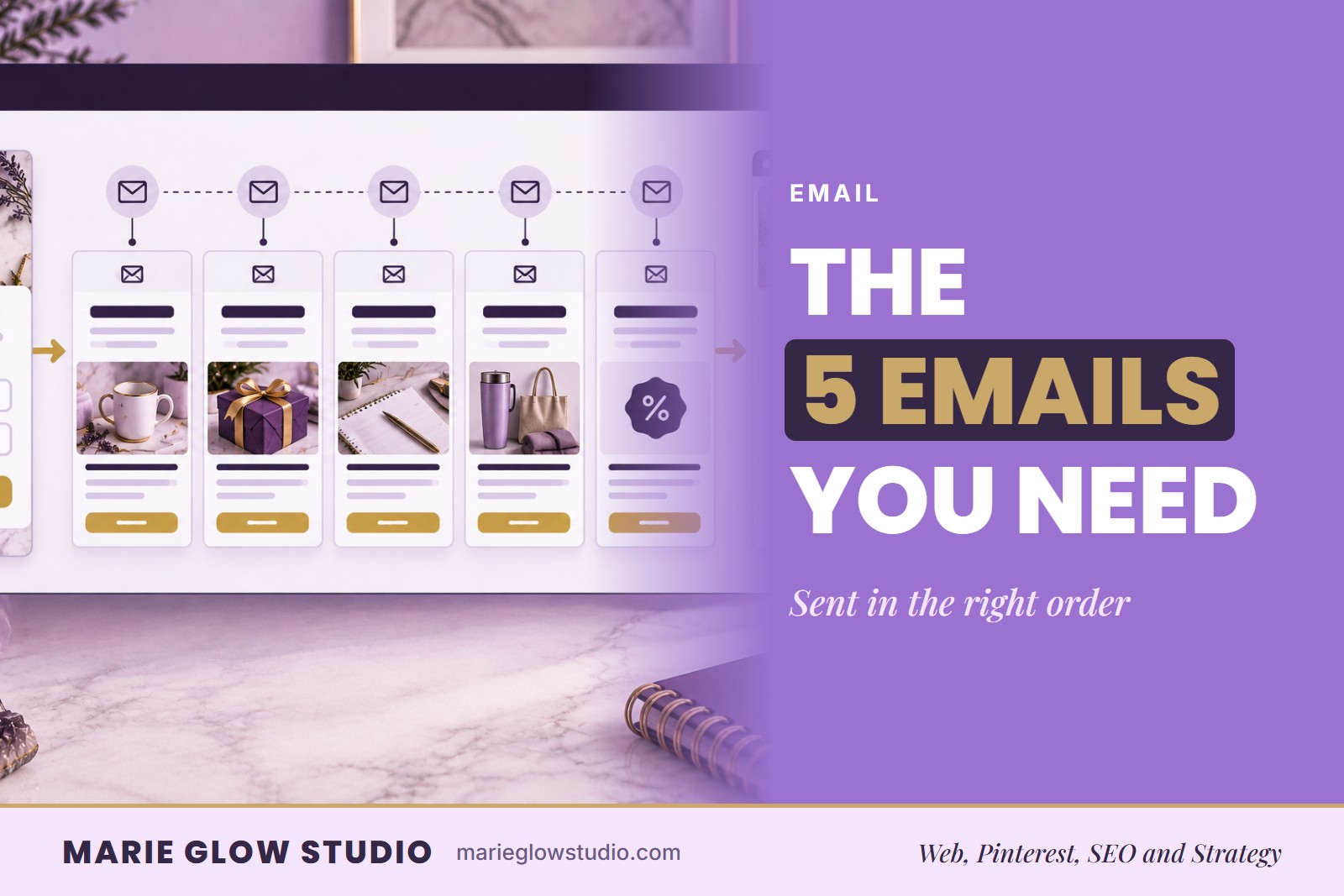
The 5 Emails Every Small Business Needs
You do not need thirty automations to start. Here are five emails, in order, that welcome people, build trust and make a relevant offer.